
Outdoor Lighting 101
Understanding outdoor lighting is essential for creating a safe, inviting, and functional space around your home. Whether you’re an avid camper or someone who enjoys a well-lit garden, knowing the basics of outdoor lighting can significantly enhance your experience and safety.
To begin with, assessing the purpose of your outdoor lighting is crucial. Are you aiming to light pathways for safety, create ambiance for gatherings, or enhance the security of your property? Each purpose requires a different approach and selection of lighting gear.
Types of Outdoor Lighting
There are various types of outdoor lighting options available, each suited for specific needs:
- Pathway Lights: These are ideal for illuminating walkways, ensuring safe passage during nighttime.
- Floodlights: Perfect for security purposes, floodlights provide broad, intense lighting that deters potential intruders.
- Accent Lights: Use these to highlight specific garden features or architectural elements.
- String Lights: Best for creating a warm, inviting atmosphere, especially during outdoor gatherings.
When selecting your outdoor lighting gear, consider the power source as well. Solar-powered lights are eco-friendly and cost-effective in the long run, whereas electric lights may offer more reliability in areas with less sunlight.
As you explore the variety of outdoor lighting options, ensure the selections align with both your functional needs and aesthetic preferences.
Key Features to Look for in Lanterns
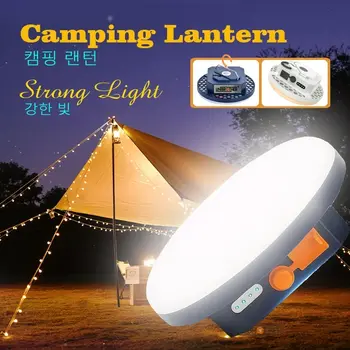
Choosing the right lantern for your outdoor adventures can significantly enhance your experience, providing not only illumination but also safety and convenience. When selecting a lantern, consider several crucial features that can make a substantial difference in its performance and usability.
Brightness and Light Settings
The primary function of any lantern is to provide light, so understanding its brightness levels is essential. Look for lanterns with adjustable brightness settings, allowing you to tailor the light output to your specific needs, whether it’s for reading a map or cooking a meal under the stars. A lantern with a high lumen count will ensure adequate illumination even in the darkest environments.
Battery Life and Power Sources
Battery life is another critical consideration. Opt for a lantern that offers extended battery life to avoid the inconvenience of frequent recharging or battery replacement. Some lanterns come with rechargeable batteries, while others use disposable ones. Additionally, consider solar-powered options for eco-friendly and off-grid adventures.
Durability and Weather Resistance
Outdoor activities can expose your gear to harsh conditions, so durability is key. Choose lanterns constructed with robust materials that can withstand drops, impacts, and adverse weather. Water-resistant or waterproof features are particularly beneficial if you anticipate encountering rain or damp environments.
Portability and Design
Portability is crucial for outdoor excursions. Select a lantern that is lightweight and easy to carry, with features like collapsible designs or handles for hanging. Compact designs not only save space but also enhance convenience during transport.
By focusing on these features, you can ensure that your lantern will meet your needs and enhance your outdoor experience.
Choosing the Right Headlamp for Your Needs
When embarking on an outdoor adventure, choosing the right headlamp can be as crucial as selecting the right hiking boots. A headlamp is not just a tool but an essential companion that illuminates your path, providing safety and comfort in the wilderness. To select the best headlamp suited to your needs, there are several factors to consider that align with your activities and personal preferences.
Consider the Brightness and Beam Distance
One of the most critical aspects to evaluate is the brightness of the headlamp, usually measured in lumens. If you are planning nighttime hikes or need to navigate difficult terrain, a headlamp with higher lumens will offer a brighter and more extended reach, ensuring better visibility and safety. For tasks that require close-up work, a headlamp with adjustable brightness settings can be advantageous.
Evaluate the Battery Life and Type
Battery life is another pivotal feature. Opt for a headlamp that offers long-lasting battery life, especially if you plan to be off the grid for extended periods. Rechargeable batteries are eco-friendly, while replaceable ones can be convenient in remote areas without charging facilities.
Weigh the Weight and Comfort
Comfort should not be overlooked. Choose a lightweight headlamp with adjustable straps to ensure it fits snugly without causing discomfort during prolonged use. A balanced design will prevent unnecessary strain on your head and neck, making your outdoor experience more enjoyable.
By considering these elements, you can select a headlamp that not only meets your specific needs but also enhances your outdoor experience.
Selecting the Best Flashlight for Outdoor Adventures
Choosing the right flashlight is a crucial part of preparing for any outdoor adventure. Whether you’re embarking on a hiking expedition, a camping trip, or a nighttime trek, a reliable flashlight can be your best companion. Not only does it illuminate the path ahead, but it also ensures your safety, helping you to navigate through challenging terrains and identify potential hazards.
When selecting a flashlight, consider its brightness, often measured in lumens. A flashlight with adjustable brightness levels allows you to conserve battery life while providing ample light when needed. Additionally, the durability of the flashlight is paramount. Opt for models with waterproof and shock-resistant features, as these can withstand the unpredictable elements of the great outdoors.
Features to Consider:
- Size and Weight: A compact and lightweight flashlight ensures ease of handling and portability.
- Battery Life: Look for flashlights with long-lasting batteries or rechargeable options to avoid being stranded in the dark.
- Beam Distance: Understand the coverage area of the flashlight to ensure it meets your visibility needs.
A flashlight isn’t just a tool—it’s an investment in your safety and experience. By choosing wisely, you can enhance your outdoor adventures.
Maintaining and Storing Your Outdoor Lighting Equipment
Ensuring the longevity and optimal performance of your outdoor lighting gear requires attention to proper maintenance and storage practices. Outdoor lighting equipment, ranging from solar-powered lamps to advanced LED systems, can significantly enhance the ambiance of your outdoor spaces. However, to keep them shining brightly, it is essential to incorporate routine care into your regimen.
Regular Cleaning
One of the first steps in maintaining your outdoor lighting is regular cleaning. Outdoor lights can accumulate dust, debris, and even mold due to exposure to the elements. A gentle wipe with a damp cloth can help remove these particles, preserving the aesthetic appeal of the lights. For more stubborn dirt or buildup, a mild soap solution can be effective.
Inspection and Repair
Periodic inspections are crucial to ensure all components of your lighting equipment are in working order. Check for any signs of wear or damage, such as frayed wires or cracked casings, particularly after severe weather conditions. Promptly addressing these issues can prevent more extensive damage and prolong the life of your equipment.
Proper Storage
When not in use, especially during off-seasons, storing your lighting gear in a dry, sheltered environment is advisable. This prevents exposure to harsh weather, which can lead to rust or other forms of degradation. Consider using storage bins or boxes to keep smaller components organized and protected.
By integrating these maintenance strategies, your outdoor lighting gear will not only look pristine but will also provide you with reliable performance for years to come. For more tips on enhancing your outdoor spaces, explore our product collection.


0 Comments