Essentials of an Outdoor Adventure Kit
Venturing into the great outdoors offers a unique thrill, blending the tranquility of nature with the excitement of exploration. However, to ensure your adventure is both fulfilling and secure, assembling a well-rounded outdoor adventure kit is paramount. Each item in your kit should be carefully selected to tackle the unpredictable elements of nature, offering you comfort and safety no matter where your journey takes you.
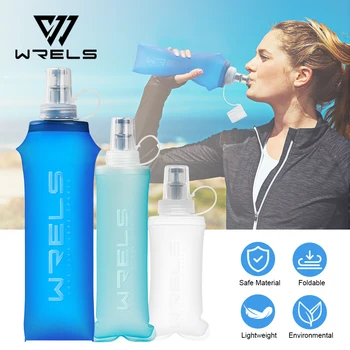
At the core of your adventure kit are items that cater to the basics of survival: nourishment, protection, and navigation. Start with a reliable water bottle or hydration system, as staying hydrated is crucial during any physical activity. Complement this with non-perishable snacks or energy bars to keep your energy levels up.
Equally important is clothing that adapts to varying weather conditions. Layering is key; begin with a moisture-wicking base layer, add an insulating fleece, and finish with a waterproof and windproof jacket. Don’t forget durable, comfortable footwear and extra socks to keep your feet dry and blister-free.
Navigation tools such as a compass and a map, or a GPS device, ensure you stay on track. Additionally, a portable first-aid kit is indispensable for handling minor injuries, while a multi-tool can assist with various tasks, from preparing food to setting up camp.
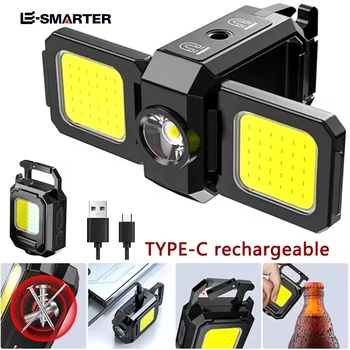
Lastly, consider including items for comfort and convenience, such as a portable phone charger, a headlamp, and a lightweight backpack to carry all your essentials. By thoughtfully curating your adventure kit, you empower yourself to face the wilderness with confidence and peace of mind.
Explore our product collection to find the perfect items to complete your adventure kit.
Selecting the Right Gear for Every Season
Embarking on outdoor adventures is an exhilarating experience, but it requires the right gear to ensure safety and comfort throughout the year. Whether you’re hiking through the radiant colors of fall or tackling the icy challenges of winter, selecting season-specific gear is crucial. Not only does the right equipment enhance your outdoor experience, but it also ensures you are prepared for any climatic surprises that nature may have in store.
Understanding Seasonal Needs
Each season presents its own set of challenges and opportunities, making it essential to tailor your gear accordingly. For spring, focus on layers that can adapt to unpredictable weather patterns—think breathable fabrics that offer warmth during chilly mornings and coolness as temperatures rise. In summer, lightweight and moisture-wicking materials become indispensable, helping to keep you dry and comfortable under the blazing sun.
Adapting to Changing Conditions
- Fall: Embrace the rich hues of fall with wind-resistant jackets and sturdy boots to navigate leaf-strewn paths safely.
- Winter: Prioritize insulation with thermal layers, waterproof outerwear, and snow-ready footwear to combat cold and wet conditions.
Carefully curating your gear for these seasonal shifts not only enriches your adventure but also reinforces a sense of readiness and resilience. By understanding and adapting to the unique demands of each season, you position yourself to face any adventure with confidence.
Explore our product collection and equip yourself for every season’s challenges.
Layering Techniques for Optimal Comfort and Safety
When embarking on outdoor adventures, whether it’s a brisk winter hike or a sun-drenched summer trek, mastering layering techniques is key to achieving both comfort and safety. The concept of layering revolves around the strategic use of multiple pieces of clothing to regulate body temperature, manage moisture, and shield against environmental factors. This approach not only enhances comfort but also significantly reduces the risk of hypothermia or heat exhaustion, ensuring that your outdoor experiences are as enjoyable as they are safe.
The foundation of effective layering begins with the base layer. This is typically a moisture-wicking fabric that sits directly against your skin. Its primary function is to wick away sweat, keeping you dry and preventing any dampness that could lead to chills in colder climates. Materials like merino wool or synthetic fibers are popular choices for their excellent moisture management properties.
Mid Layer: Insulation and Warmth
The mid layer serves the purpose of insulation. It traps body heat while allowing moisture to escape. Fleece jackets or down vests are ideal for this layer, providing warmth without adding bulk. The choice of mid layer can vary depending on the climate and your activity level.
Outer Layer: Protection from Elements
Finally, the outer layer acts as a protective shell against wind, rain, and snow. This layer should be breathable yet waterproof or water-resistant to ensure it provides adequate protection while preventing overheating. A high-quality hardshell jacket is often recommended for its durability and reliability in harsh weather conditions.
By understanding and implementing these layering techniques, outdoor enthusiasts can tailor their attire to suit varying conditions, making their adventures more comfortable and secure. Explore our product collection to find the perfect pieces to complete your outdoor adventure kit.
Picking the Perfect Backpack for Your Needs
Embarking on an outdoor adventure demands the right gear, and at the center of this is your backpack. Selecting the perfect backpack is not merely about style but about functionality and comfort. The right choice can elevate your experience, allowing you to focus on the thrill of the journey without being bogged down by logistical challenges.
Consider Your Adventure Type
The first step in choosing a backpack is understanding your adventure’s nature. Are you planning a day hike, a multi-day trek, or perhaps a minimalist camping trip? Each activity calls for different features. For instance, a day hike might only require a lightweight daypack with hydration compatibility, while a longer trek demands a more robust model with ample storage and support.
Key Features to Look For
- Comfort: Look for backpacks with adjustable shoulder straps and padded hip belts to distribute weight evenly, minimizing strain on your back and shoulders.
- Durability: Choose materials like ripstop nylon that can withstand the elements and rough terrains.
- Organization: Consider a backpack with multiple compartments and external pockets for easy access to essentials.
- Weather Resistance: Waterproof or water-resistant backpacks keep your gear dry in unexpected weather.
Size Matters
Choosing a backpack size that aligns with your body frame and carrying needs is vital. Most packs come with a liter capacity marker. Generally, a 15-30 liter pack is suitable for day hikes, while 40-70 liters may be needed for multi-day trips.
Ultimately, the right backpack becomes your trusty companion, enhancing every outdoor experience.
Waterproofing and Weatherproofing Your Equipment
When embarking on outdoor adventures, ensuring that your gear is adequately waterproofed and weatherproofed is paramount. Unpredictable weather conditions can turn a thrilling escape into an uncomfortable ordeal if your equipment isn’t prepared to withstand the elements. This section aims to guide you through the essentials of protecting your gear, keeping it functional and durable regardless of what Mother Nature throws your way.
Firstly, understanding the distinction between waterproof and weatherproof is crucial. Waterproof equipment is designed to be impervious to water penetration, whereas weatherproof refers to the ability to resist various weather conditions, including wind and sun exposure. Knowing this distinction can help you make informed choices when selecting gear.
Essential Tips for Waterproofing
- Seam Sealing: Ensure all seams on tents, backpacks, and shoes are sealed to prevent water ingress. Seam sealers can be easily applied and are a cost-effective solution.
- Use of Dry Bags: Store your belongings in dry bags, which offer an additional layer of protection, particularly for electronics and clothing.
- Waterproof Sprays: Apply these sprays to your gear to create an extra barrier against moisture. They’re versatile and can be used on a variety of materials.
Weatherproofing Strategies
- Layering: Dress in layers using moisture-wicking fabrics to manage perspiration and maintain warmth.
- UV Protection: Opt for gear with UV-resistant coatings to protect against sun damage, extending the life of your equipment.
- Wind Resistance: Choose windproof jackets and tents to shield against harsh gusts, ensuring comfort and stability.
By taking these proactive steps, you can enjoy your outdoor adventures with peace of mind, knowing that your gear is ready to handle whatever challenges arise. To explore our range of weatherproof gear, visit our shop page for products and more.

0 Comments